

Digital Technologies in Construction: How the Industry Is Changing
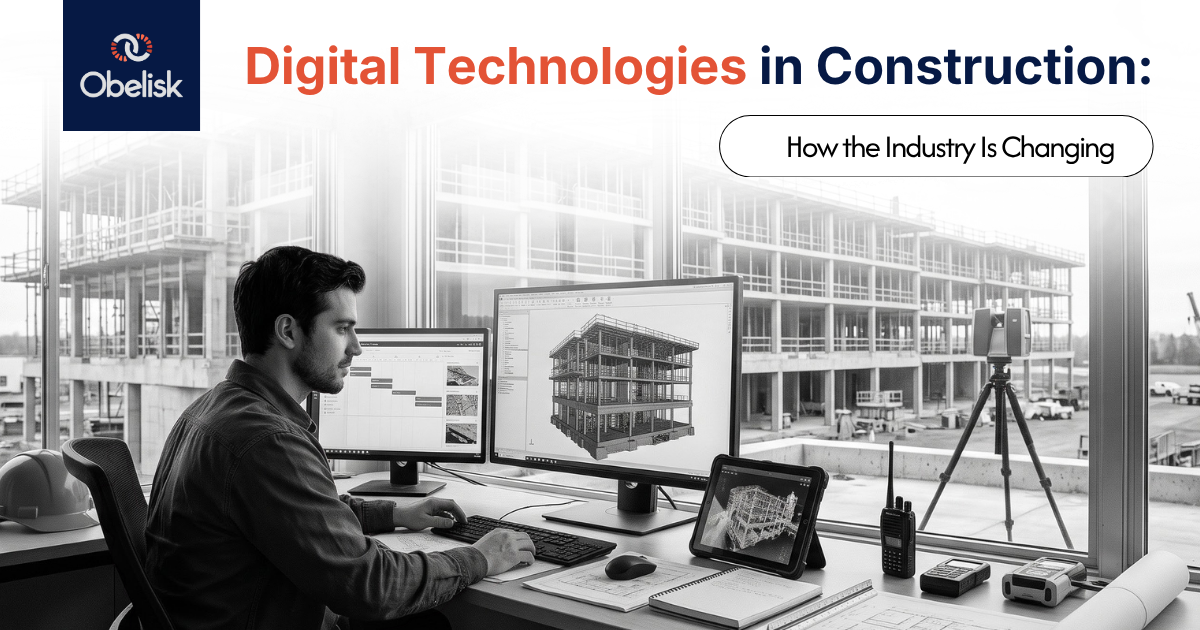
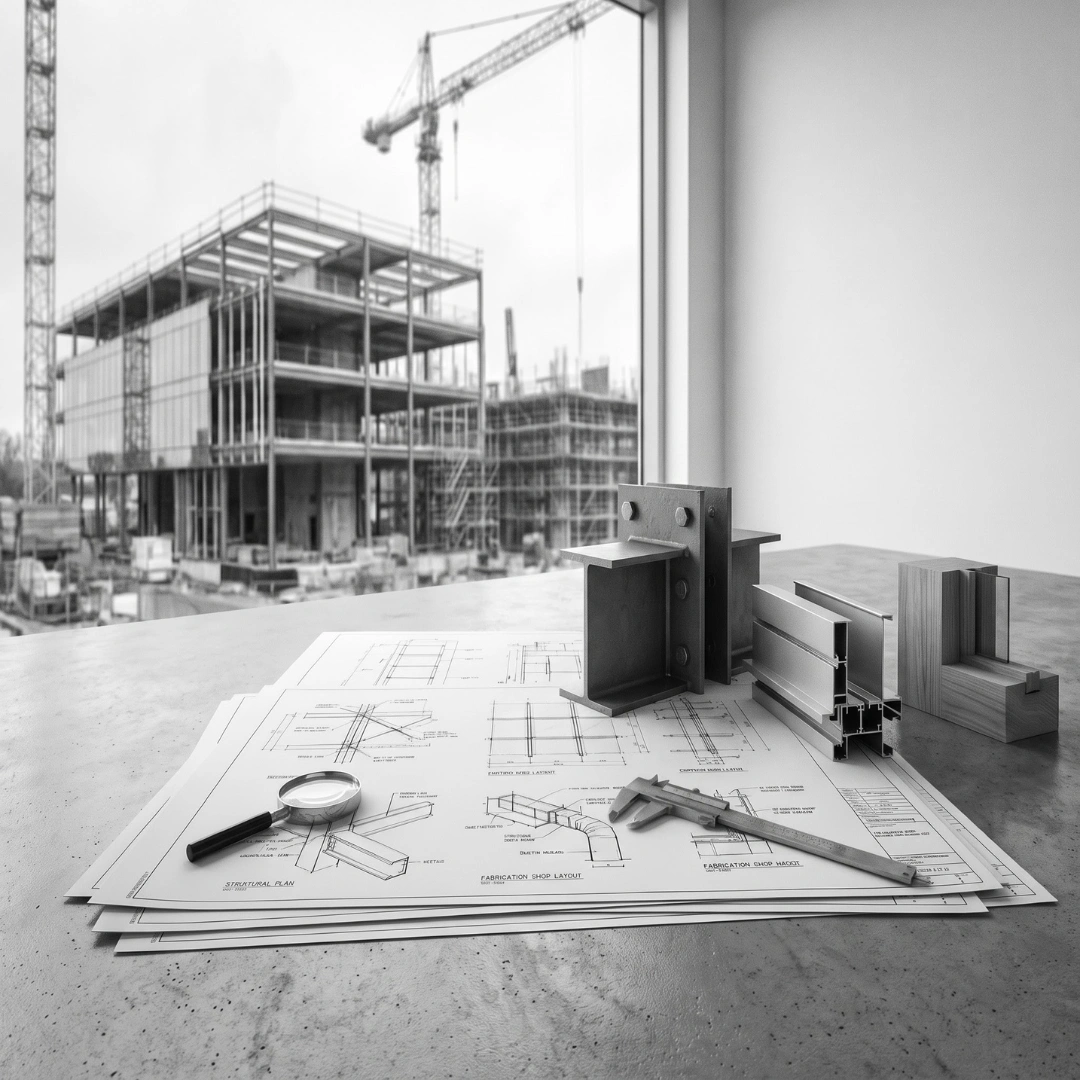
Construction has historically been slower than other industries to adopt digital tools, relying heavily on paper drawings, manual coordination, and fragmented information across design, construction, and operations. That is changing, not through a single breakthrough technology, but through a cluster of digital tools, BIM, cloud collaboration, reality capture, data analytics, AI-assisted automation, and digital twins, that increasingly work together across a project's lifecycle.
This article explains what digital technologies actually mean in a construction context, how they are changing day-to-day workflows, where each one adds genuine value, and what the real barriers to adoption look like. The goal is a grounded, practical picture rather than a list of buzzwords, distinguishing tools that are already well established from applications still maturing.
What Digital Technologies Mean in Construction
In construction, "digital technologies" is a broad umbrella covering any software or hardware tool that replaces manual, paper-based, or disconnected processes with structured, shareable digital information. This includes design and modeling software like BIM, cloud-based platforms for document management and collaboration, data capture tools like drones and laser scanners, and increasingly, AI-assisted tools that support specific, well-defined tasks within a larger workflow.
What ties these together is not any single piece of software, but a shift in how project information is created, shared, and reused. Traditional construction workflows produced isolated deliverables, a drawing set here, a spreadsheet there, a report somewhere else, that required manual reconciliation. Digital workflows aim to keep that information structured and connected, so it can be checked, shared, and reused without being re-created from scratch at every stage.
How Construction Workflows Are Changing
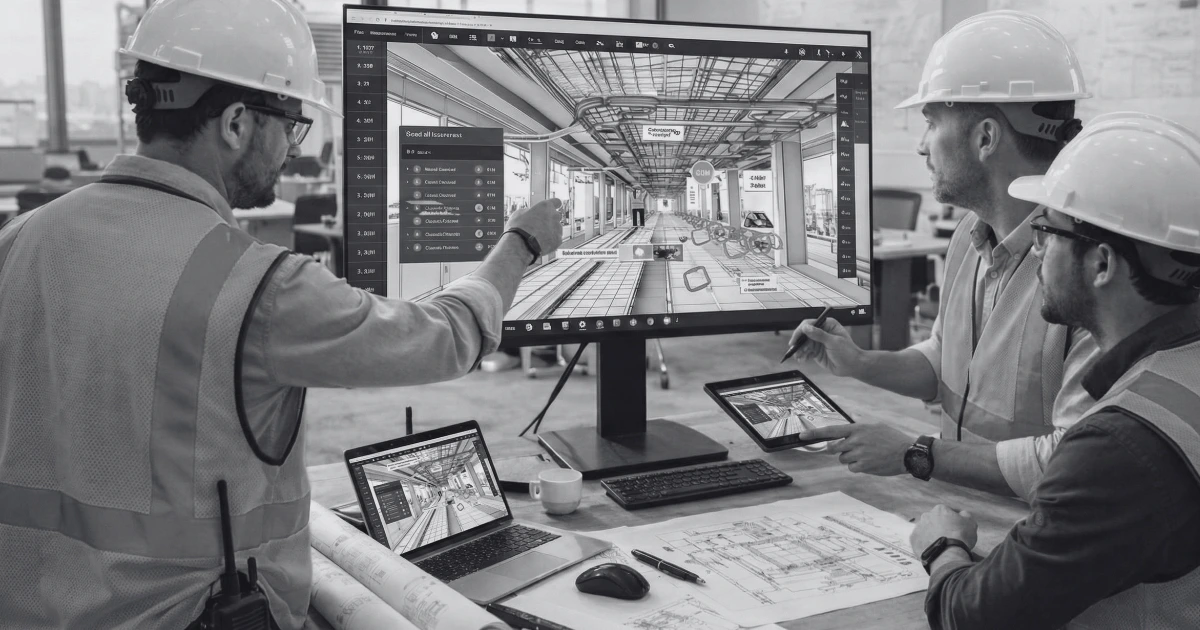
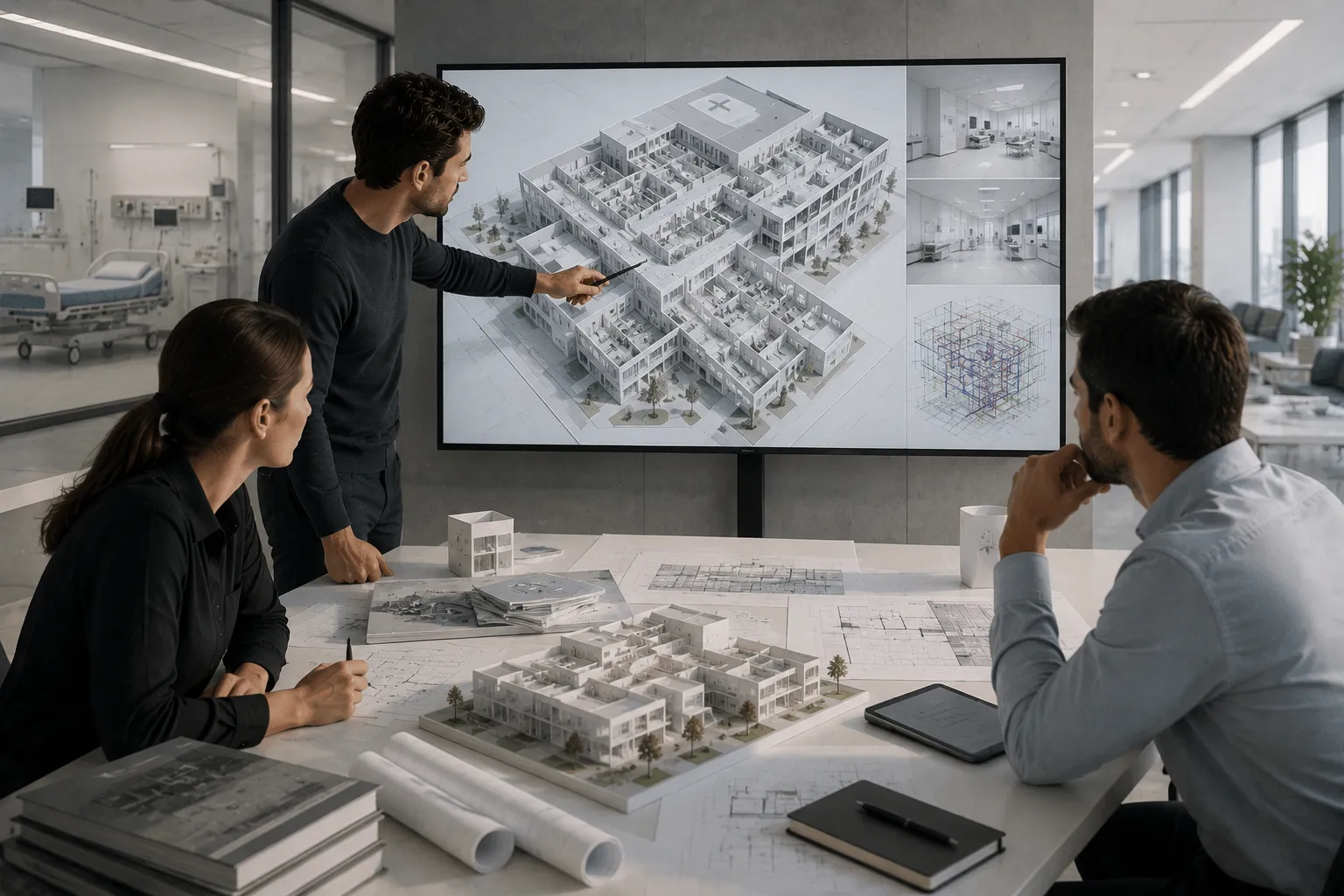
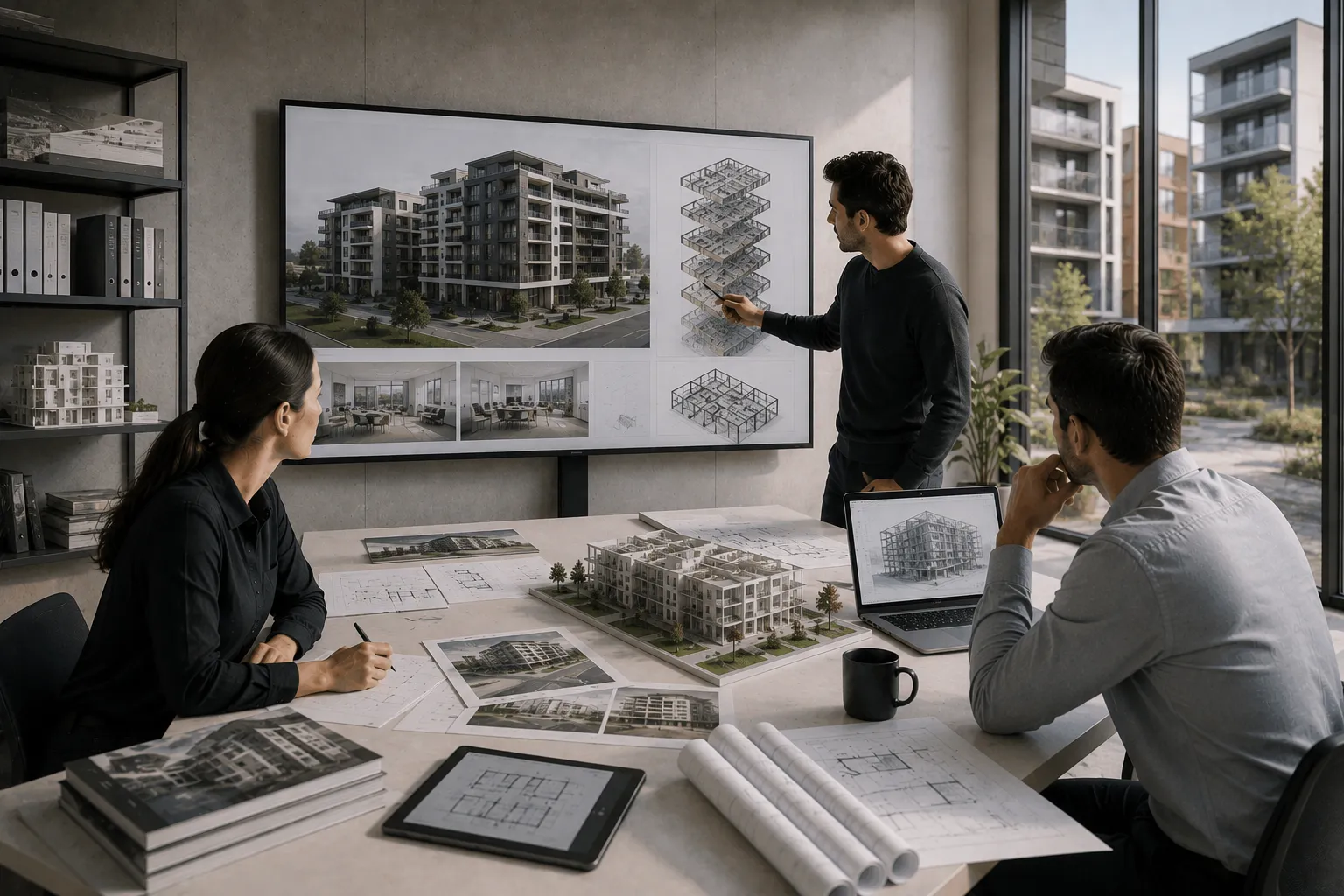
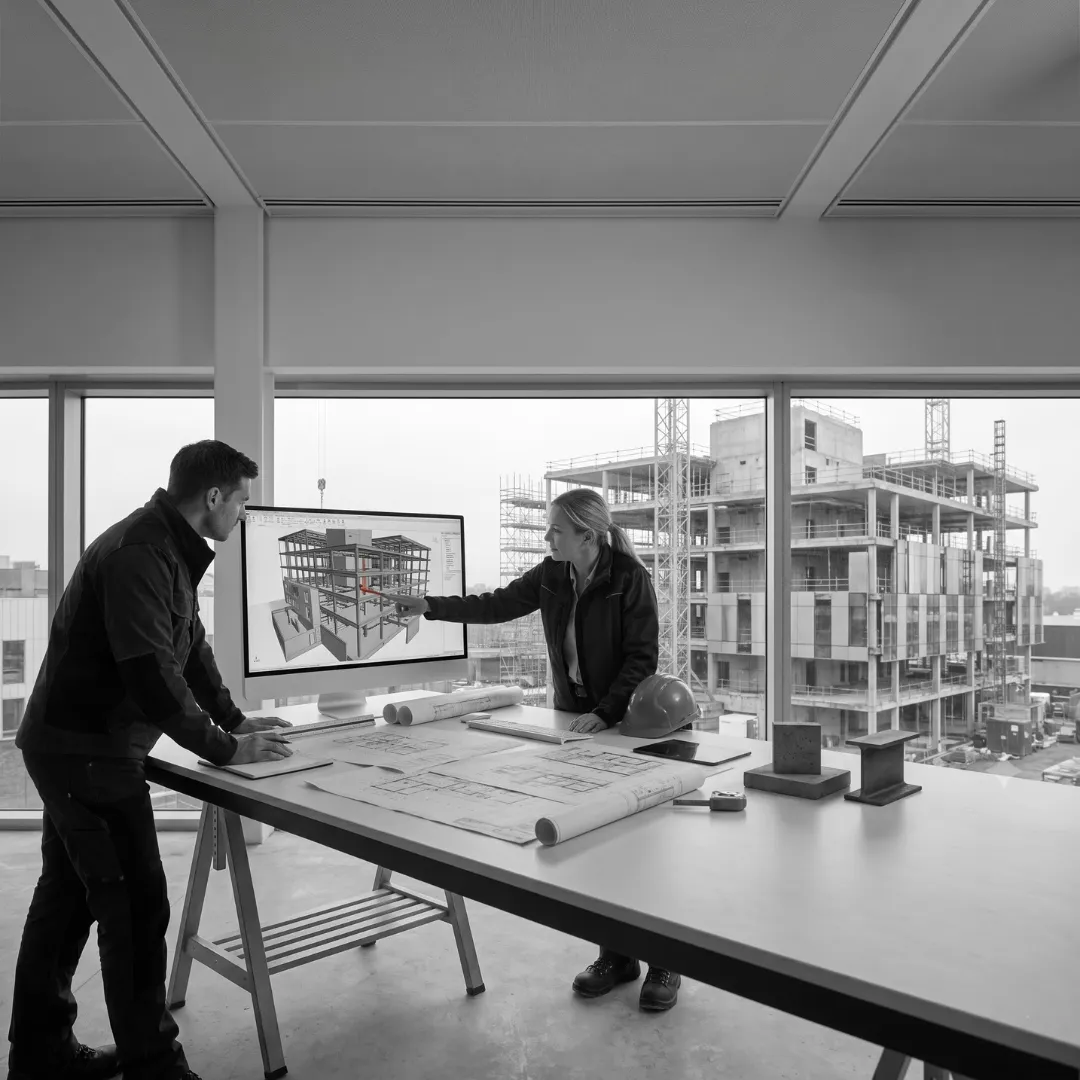
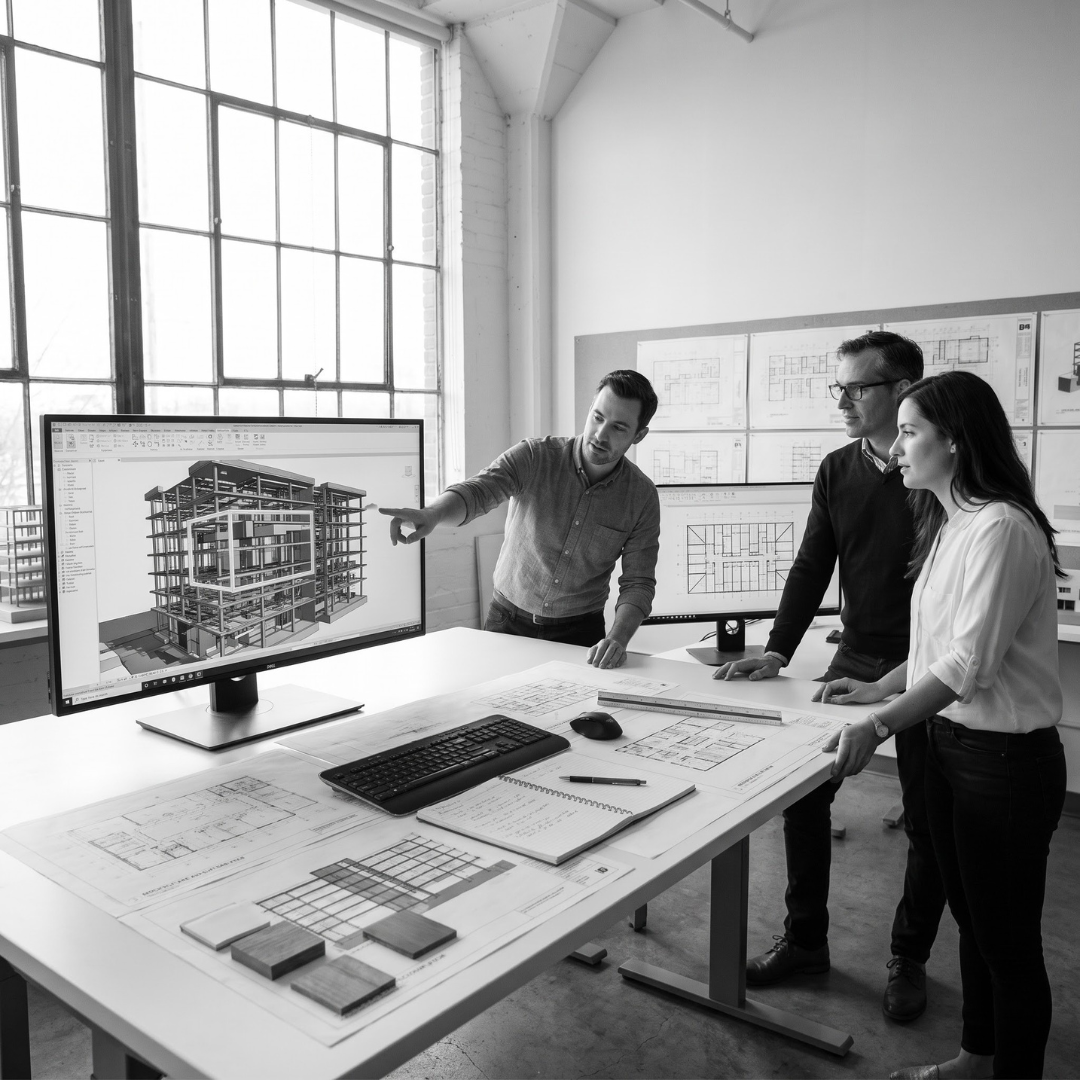
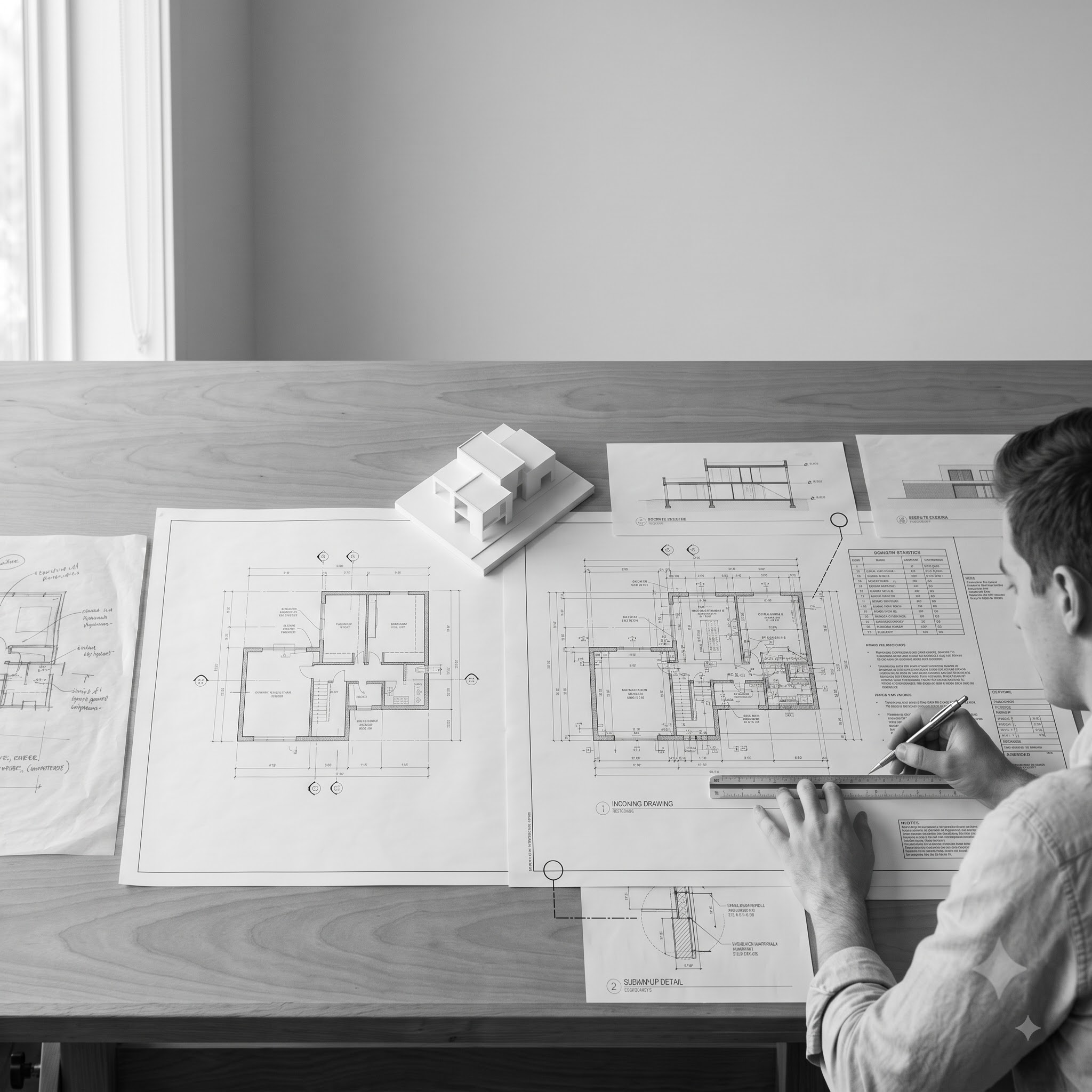
The clearest shift is from document-based coordination to model-based and data-based coordination. Where a project once moved through disconnected 2D drawing sets reviewed in isolation, many projects now coordinate through a shared, federated model that architects, engineers, and contractors can check against each other before issues reach the site.
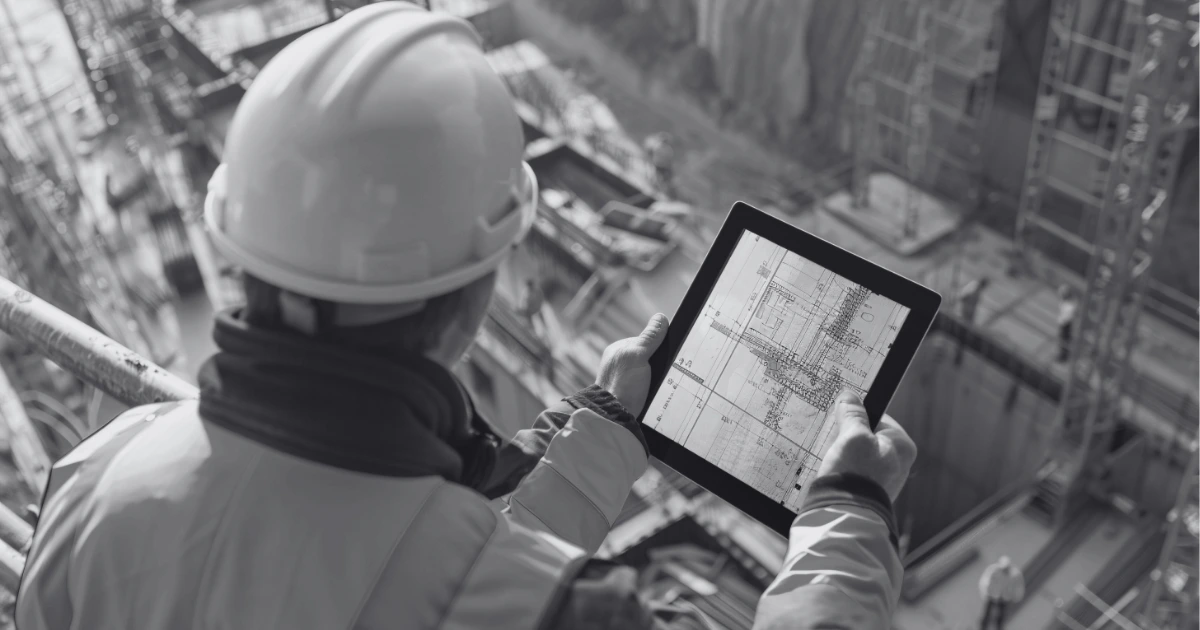
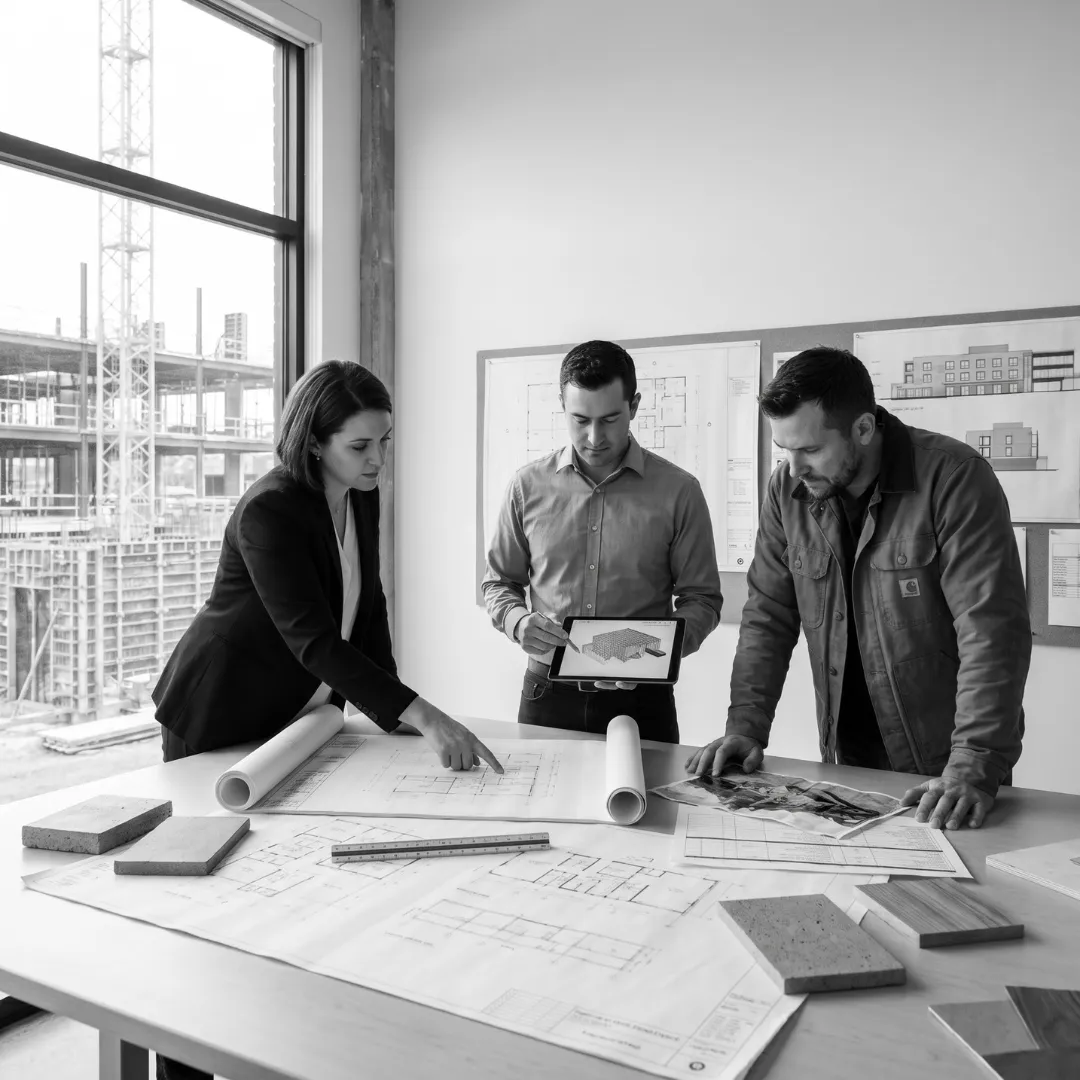
This changes who touches project information and when. Site teams increasingly interact with digital models and data directly, through tablets, mobile apps, or cloud dashboards, rather than working purely from printed drawings. Project managers can pull progress and cost data from connected systems rather than compiling updates from multiple disconnected spreadsheets. None of this eliminates the need for experienced judgment; it changes what information that judgment is applied to and how quickly it's available.
BIM: The Foundation of Digital Construction Workflows
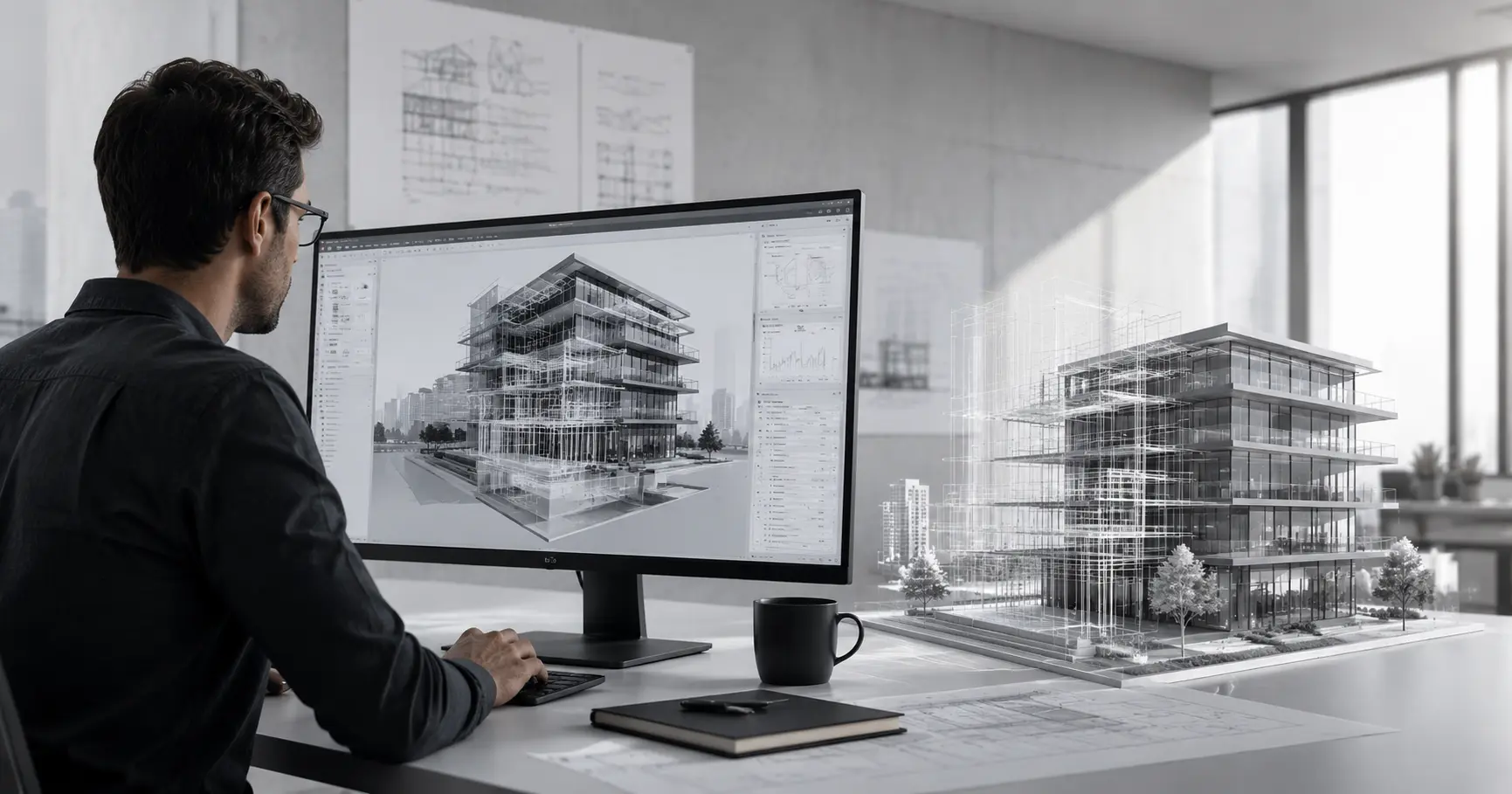
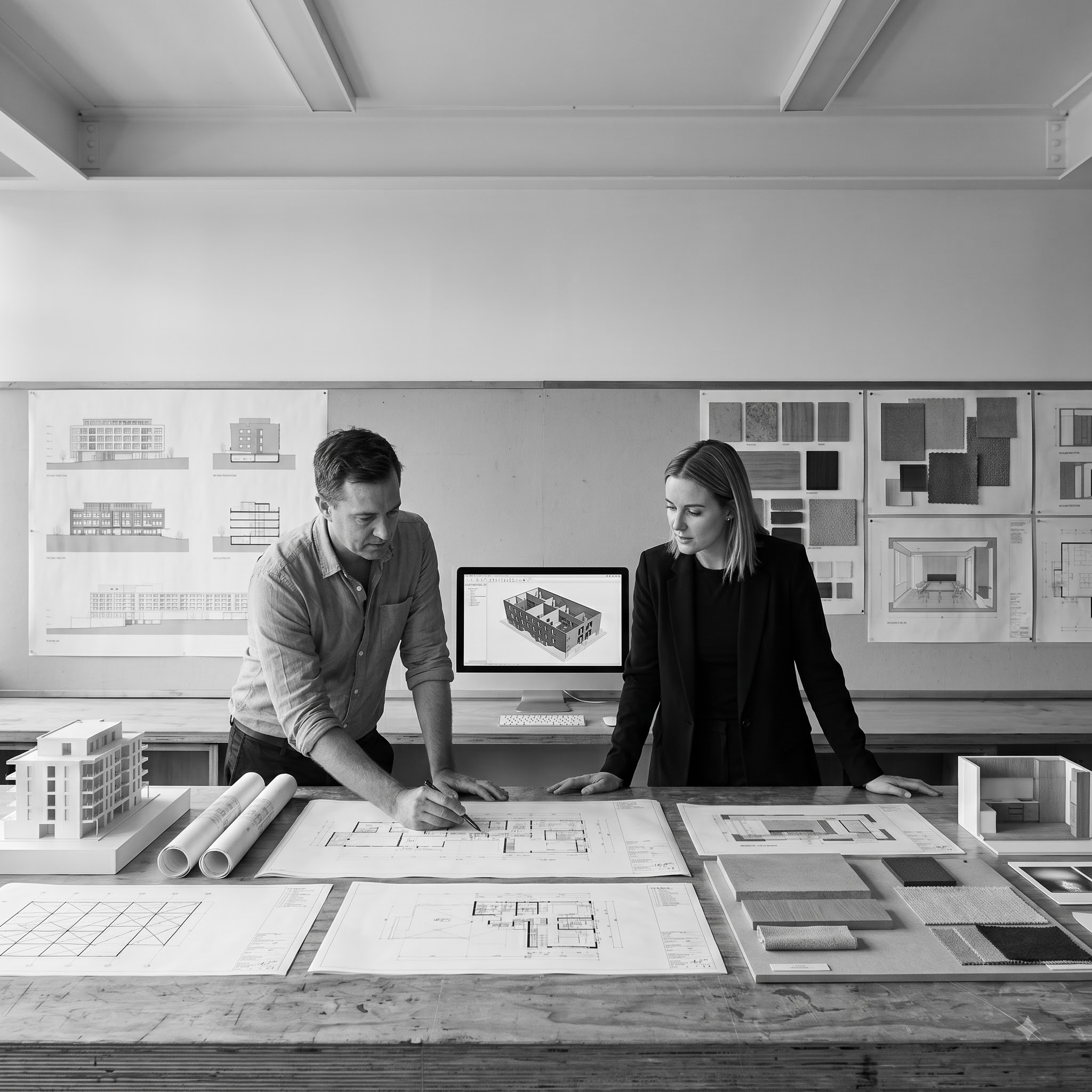
Building Information Modeling underpins much of this shift. Rather than producing drawings as separate files, BIM software builds a single coordinated model of data-rich objects, walls, structural elements, services, that generates the drawing set as views of the same underlying data.
This matters for digital transformation beyond just drafting efficiency. A BIM model is structured data, which means it can be checked for clashes between disciplines before construction, queried for quantities and schedules, and in many workflows, carried forward to support facilities management after handover. Standards such as ISO 19650, which governs the organization and management of information using BIM, have formalized how that data should be structured and exchanged across a project team, particularly on larger or publicly procured projects.
BIM is often the data backbone that other digital technologies, cloud collaboration, data analytics, digital twins, draw from or feed into, rather than a standalone tool operating in isolation.
AI and Automation in Construction: What's Actually Being Used
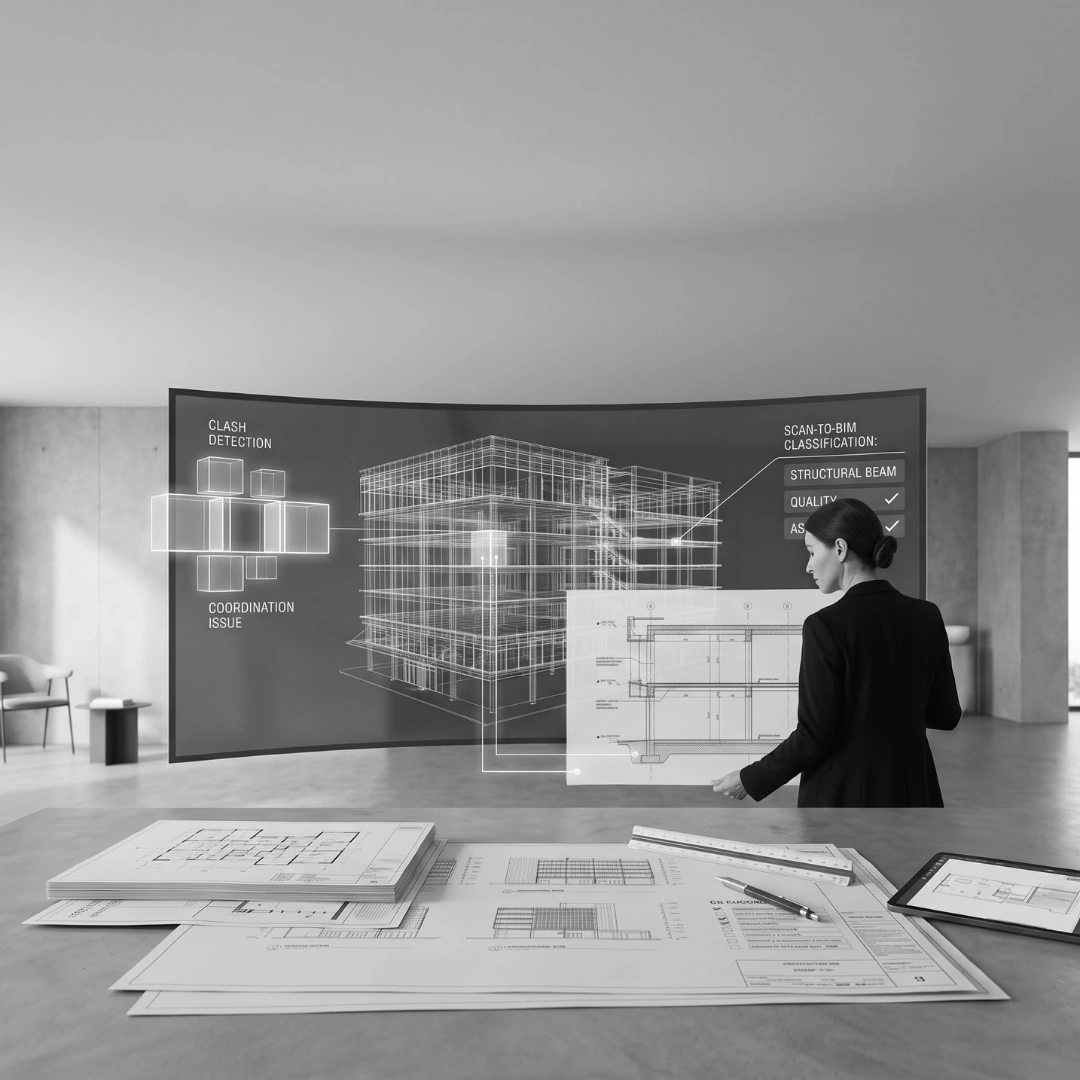
Artificial intelligence in construction is often discussed in sweeping terms, but the practical applications currently in use tend to be narrower and more task-specific than the broader conversation suggests. Current, genuinely useful applications include AI-assisted clash detection that flags likely coordination conflicts in a federated model faster than manual review, generative design tools that explore layout options against defined constraints, and computer vision tools that can review site photos or video to flag safety issues or track progress against a schedule.
It's worth being precise about what this does and doesn't replace. These tools generally support and accelerate specific, well-defined tasks within a broader human-managed workflow, rather than replacing the judgment of an experienced architect, engineer, or site manager. A clash detection tool flags a likely conflict; a person still decides how to resolve it. Claims that AI is autonomously managing entire construction processes should be treated with the same scrutiny as any other emerging technology claim, since the maturity of these tools varies significantly between vendors and use cases.
Digital Twins: Connecting Models to Operational Data
A digital twin, in the construction and built-environment context, is a digital representation of a physical asset that is connected to live or regularly updated data about that asset's actual performance and condition. Industry bodies including buildingSMART have worked on defining and standardizing what a genuine digital twin involves, distinguishing it from a static 3D model that merely looks similar.
The distinction matters because a BIM model alone is not a digital twin. A BIM model represents design intent and, later, as-built conditions at a point in time. A digital twin goes further by maintaining an ongoing connection to real operational data, sensor readings, energy use, occupancy, maintenance records, so the digital representation stays meaningfully connected to how the building is actually performing after handover.
Digital twins are more established in some contexts, large infrastructure assets and facilities with significant operational monitoring needs, than in smaller-scale commercial or residential buildings, where the investment required to maintain a live data connection may not be justified by the ongoing value it provides.
Cloud Platforms and Project Collaboration
Cloud-based common data environments and collaboration platforms have become a standard part of how project teams share information, replacing email attachments and disconnected local files with a shared, version-controlled source of truth. This supports real-time access to current drawings and models across distributed teams, structured workflows for reviewing and approving documents, and an audit trail of who changed what and when, which matters for both quality control and contractual accountability.
The practical benefit is less about any single feature and more about reducing the coordination failures that come from people working off outdated information. A cloud platform doesn't eliminate miscommunication, but it significantly reduces the specific failure mode of two people working from different versions of the same drawing without realizing it.
Drones, Reality Capture and Laser Scanning for Site Monitoring
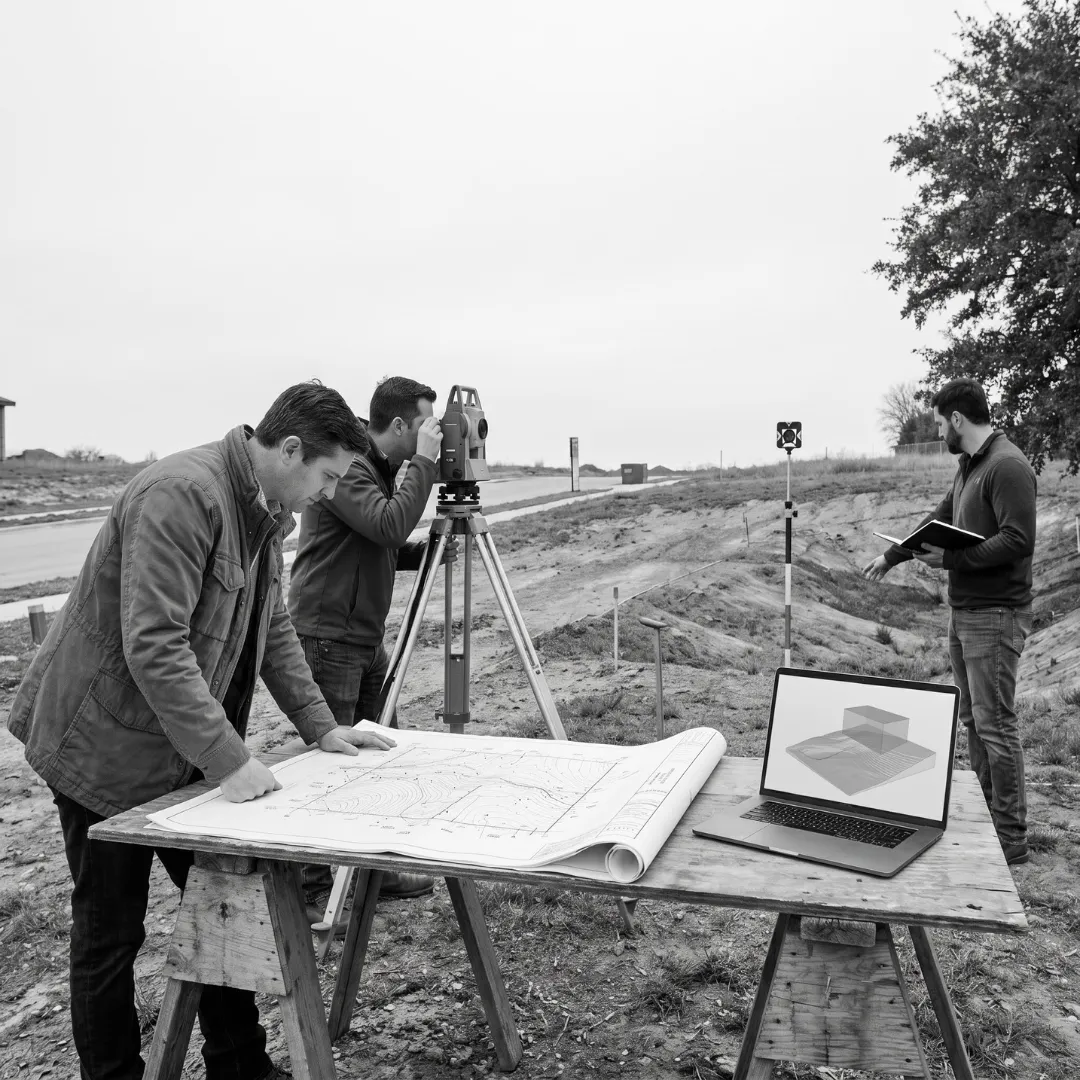
Reality capture, using drones, 3D laser scanning, and photogrammetry to record existing physical conditions, has become a genuinely mainstream tool for both pre-construction surveying and ongoing site monitoring. Drones provide regular aerial progress documentation and can cover a large site faster than manual photography. Laser scanning produces precise point cloud data, useful for capturing existing building conditions accurately before a renovation project, supporting scan-to-BIM workflows that convert that captured data into a usable coordinated model.
The practical value of reality capture is accuracy and frequency. A site that is scanned or flown regularly produces a far more reliable progress record than periodic manual site visits and photographs, and point cloud data captured from an existing building is typically more accurate than measurements taken by hand, which matters significantly on renovation or retrofit projects where existing conditions aren't fully known.
Data Analytics for Planning and Decision-Making
As more project information becomes digital and structured, whether from BIM models, cloud platforms, or site sensors, construction teams have a growing ability to analyze that data to support planning and decision-making. This includes tracking schedule and cost performance against baseline more granularly than periodic manual reporting allows, and identifying patterns across multiple projects, such as which types of issues recur most often in a particular building type or delivery method.
The caveat worth stating plainly is that analytics is only as useful as the underlying data quality. A firm generating dashboards from inconsistent or incomplete project data will get misleading conclusions dressed up in a confident-looking chart. The discipline of capturing accurate, structured data throughout a project matters more than the sophistication of the analytics layered on top of it.
How These Technologies Work Together
These tools are easier to understand as an interconnected system than as a list of separate trends. A BIM model provides the structured data foundation. Cloud platforms make that model and associated documentation accessible to a distributed project team in real time. Reality capture feeds accurate as-built data back into that model, particularly valuable on renovation projects or for tracking construction progress against design intent. Data analytics draws on information from all of these sources to support planning and decision-making. And where a digital twin exists, it extends that same connected data structure beyond handover into the building's operational life.
A firm adopting these tools piecemeal, a cloud platform here, a drone survey there, without connecting them to a coordinated BIM-based data structure, captures only a fraction of the available value. The technologies compound when they're connected; they add incrementally less when used as isolated point solutions.
Benefits for Coordination, Productivity, Quality and Visibility
The benefits of digital construction technologies show up most clearly in a few specific areas. Design coordination improves because clashes and conflicts between disciplines can be identified in a federated model before they become expensive on-site problems. Documentation accuracy improves because a model-driven workflow keeps drawings, schedules, and quantities consistent as the design changes, reducing the manual reconciliation errors common in drawing-based workflows. Project visibility improves for owners and project managers, who can access current progress, cost, and quality data rather than waiting for periodic manual reports. And quality control benefits from more consistent documentation and more frequent, accurate site data from reality capture tools.
These benefits are real but not automatic. They depend on the underlying workflow being set up properly and the data being maintained with discipline throughout the project, not simply on the presence of the technology itself.
Challenges: Cost, Adoption Barriers, Interoperability, Skills and Data Security
Digital transformation in construction faces genuine, practical barriers that are worth naming honestly rather than glossing over.
Cost is a real factor. BIM software, cloud platform subscriptions, reality capture equipment, and the staff time needed to properly set up and maintain these workflows represent a real investment, and the return on that investment depends heavily on project scale and how consistently the tools are actually used.
Adoption barriers within organizations are often cultural as much as technical. Teams accustomed to established, paper- or drawing-based workflows may resist changes that initially slow them down while they learn new tools, even where the long-term benefit is clear.
Interoperability between different software platforms remains an ongoing challenge. While open standards like IFC, maintained by buildingSMART, support data exchange between different BIM authoring platforms, that exchange isn't always perfectly lossless, and project teams using different software ecosystems still need to actively manage how data moves between them.
Skills gaps are a significant constraint. Experienced BIM modelers, data analysts, and staff capable of managing digital workflows effectively remain in shorter supply than the industry's growing demand for them, which affects how quickly firms can scale these tools across their project portfolio.
Data security becomes a more serious consideration as more project information, including sensitive client and site data, moves onto cloud platforms and connected systems. Firms need clear policies on data access, storage, and ownership, particularly for digital twins and other systems that maintain ongoing connections to a building's live operational data after handover.
Comparison Table: Digital Construction Technologies at a Glance
Building Information Modelling (BIM) supports coordinated 3D modelling and documentation. It adds the most value on multidisciplinary projects where teams need consistent documentation and effective clash detection across different disciplines.
Cloud collaboration platforms provide shared, version-controlled access to project information. They are especially useful for distributed teams that need real-time access to current project data and documents.
Reality capture technologies, including drones and laser scanning, are used to collect accurate as-built information and track site progress. They are particularly valuable for renovation projects and for ongoing monitoring of construction progress.
AI-assisted tools can automate specific tasks such as clash flagging and progress tracking. Their value lies in supporting targeted review and analysis activities rather than replacing the broader project team or coordination process.
Digital twins create a live connection between a digital model and operational data from the physical asset. They are most useful for large or complex assets where ongoing monitoring and operational insight are important.
Data analytics helps identify patterns across project and portfolio information. It becomes particularly valuable for organisations that maintain consistent, structured data across multiple projects.
Practical Steps for Adopting Digital Technologies
Firms considering a more structured approach to digital adoption generally benefit from a staged approach rather than attempting to implement every tool at once. Starting with a solid BIM foundation gives later tools, cloud collaboration, analytics, digital twins, structured data to draw on, rather than bolting them onto disconnected drawing-based workflows. Prioritizing data consistency and quality early prevents the common failure mode of generating analytics or dashboards from unreliable underlying information. Investing in staff training alongside the software itself matters as much as the technology choice, since a capable BIM modeler or data-literate project manager extracts far more value from these tools than the software does on its own. And piloting new tools on a smaller project before a firm-wide rollout allows genuine lessons to surface before the investment scales up.
What the Future May Hold
Some applications of digital construction technology are well established today: BIM-based coordination, cloud collaboration platforms, and reality capture for site documentation are mature, widely adopted tools with a clear track record. Others remain genuinely emerging, broader AI-driven automation across more of the construction process, and digital twins extending beyond large or specialized assets into mainstream commercial and residential projects.
It's worth distinguishing clearly between these categories rather than treating emerging developments as already-proven standard practice. The direction of travel across the industry is toward more connected, data-driven workflows, but the pace and extent of that shift varies significantly by project type, firm size, and region, and claims about near-term, industry-wide transformation should be read with appropriate caution.
Where Obelisk Fits In
Obelisk works across BIM modeling, documentation, drafting, and coordination services that sit at the foundation of a digital construction workflow, the structured, model-based data that cloud collaboration, reality capture, and analytics tools depend on. For firms exploring how to structure their digital workflow or where to start, a direct conversation about a specific project's requirements is more useful than a generic technology recommendation.
Contact Obelisk to discuss a project, or explore the BIM consulting, BIM coordination, and scan-to-BIM service pages for more detail on specific capabilities.
FAQs
What are digital technologies in construction?
Digital technologies in construction refer to software and hardware tools, including BIM, cloud collaboration platforms, reality capture, AI-assisted automation, and digital twins, that replace manual, paper-based processes with structured, shareable digital information across a project's lifecycle.
What is the difference between BIM and a digital twin?
A BIM model represents design intent and as-built conditions at a point in time. A digital twin goes further by maintaining an ongoing connection to live operational data, such as sensor readings or maintenance records, so the digital representation stays connected to how the building actually performs after handover.
Is AI replacing architects, engineers, or construction managers?
No. Current AI applications in construction generally support specific, well-defined tasks, such as clash detection or progress tracking from site imagery, within a broader human-managed workflow, rather than replacing professional judgment.
How do drones and laser scanning help construction projects?
Drones provide regular, efficient aerial progress documentation across a site, while laser scanning captures precise point cloud data of existing conditions, both of which support more accurate monitoring and documentation than periodic manual site visits.
What is reality capture used for in construction?
Reality capture refers to using drones, laser scanning, and photogrammetry to record existing physical conditions. It's commonly used for pre-construction surveying, ongoing progress monitoring, and capturing accurate as-built data for renovation projects through scan-to-BIM workflows.
What are the biggest barriers to digital adoption in construction?
Common barriers include the cost of software, equipment, and staff training; cultural resistance to changing established workflows; interoperability challenges between different software platforms; skills gaps in BIM and data-related roles; and data security considerations as more project information moves onto cloud and connected systems.
Do digital construction technologies actually improve project outcomes?
They can improve design coordination, documentation accuracy, and project visibility, but these benefits depend on the underlying workflow being set up properly and data being maintained consistently, not simply on adopting the technology itself.
What is ISO 19650 and why does it matter for digital construction?
ISO 19650 is an international standard governing the organization and management of information using BIM. It formalizes how project data should be structured and exchanged across a project team, particularly relevant on larger or publicly procured projects.
Should a smaller construction firm invest in BIM and digital tools?
It depends on project scale, discipline mix, and collaboration needs. A small, single-discipline project may not justify the full overhead of a coordinated BIM and digital twin setup, while firms handling larger or more complex, multi-consultant projects are more likely to see meaningful value.
How do cloud platforms improve construction collaboration?
Cloud-based common data environments give distributed project teams real-time access to current drawings and models, structured document approval workflows, and an audit trail of changes, reducing the coordination failures that come from people working off outdated information.
What should a firm do first when adopting digital construction technologies?
Most firms benefit from establishing a solid BIM foundation first, since later tools like cloud collaboration, analytics, and digital twins depend on structured, reliable project data to draw on effectively.
TABLE OF CONTENTS