

Construction Budget Overruns: How BIM Documentation Prevents Cost Blow-Outs

Australian construction projects average 8-12% cost overrun. On a $15 million apartment build, that's $1.2-$1.8 million eaten from your margin. On a fixed-price contract with 5-8% profit margin, one bad project wipes out a year's earnings.
Here's what most builders already know but rarely quantify: documentation quality drives a significant portion of those overruns. Incomplete drawings generate assumptions during pricing. Uncoordinated services create trade conflicts on site. Missing details produce variation claims. Non-compliant documentation triggers authority delays costing $8,000-$12,000 per day in holding costs.
The fix isn't hoping for better drawings next time. It's understanding which documentation problems cost you money and how coordinated BIM documentation prevents them.
This guide covers 7 specific ways poor documentation causes budget blow-outs on Australian projects, with real dollar figures and practical prevention through BIM coordination.
Obelisk delivers coordinated BIM documentation that builders trust, reducing on-site surprises and protecting project margins on Australian construction projects.
The Real Cost of Poor Documentation on Australian Projects
Documentation-related cost overruns follow predictable patterns on Australian construction sites.
The numbers are clear. Industry data shows 30-40% of construction variations trace back to documentation issues: missing details, uncoordinated services, ambiguous specifications, and incomplete drawings. On a project generating $1.5 million in variations, $450,000-$600,000 relates directly to documentation quality.
Builder margins can't absorb it. Australian mid-tier builders operate on 5-8% net margins. A $20 million project delivers $1.0-$1.6 million profit when everything goes right. Documentation-related variations consuming $400,000-$600,000 cut that margin in half. Two problem projects in a year threaten the business.
Australian construction costs amplify the impact. At $3,500-$5,500 per square metre for multi-storey residential in Sydney and Melbourne, every on-site rework event burns through budget fast. A single floor of rework on an 8-storey building can cost $80,000-$150,000 depending on the trades involved and programme disruption.
7 Ways BIM Documentation Prevents Budget Blow-Outs
1. Clash Detection Eliminates On-Site Rework
The problem: Structural beams running through duct routes. Plumbing stacks hitting steel columns. Electrical cable trays blocking sprinkler mains. When trades discover these conflicts on site, work stops, redesign happens, and rework follows.
The cost: Single on-site clash resolution costs $15,000-$40,000 including demolition, redesign, reinstallation, and programme delay. A typical 8-storey residential project contains 150-300 potential coordination conflicts across structure, hydraulics, mechanical, electrical, and fire services.
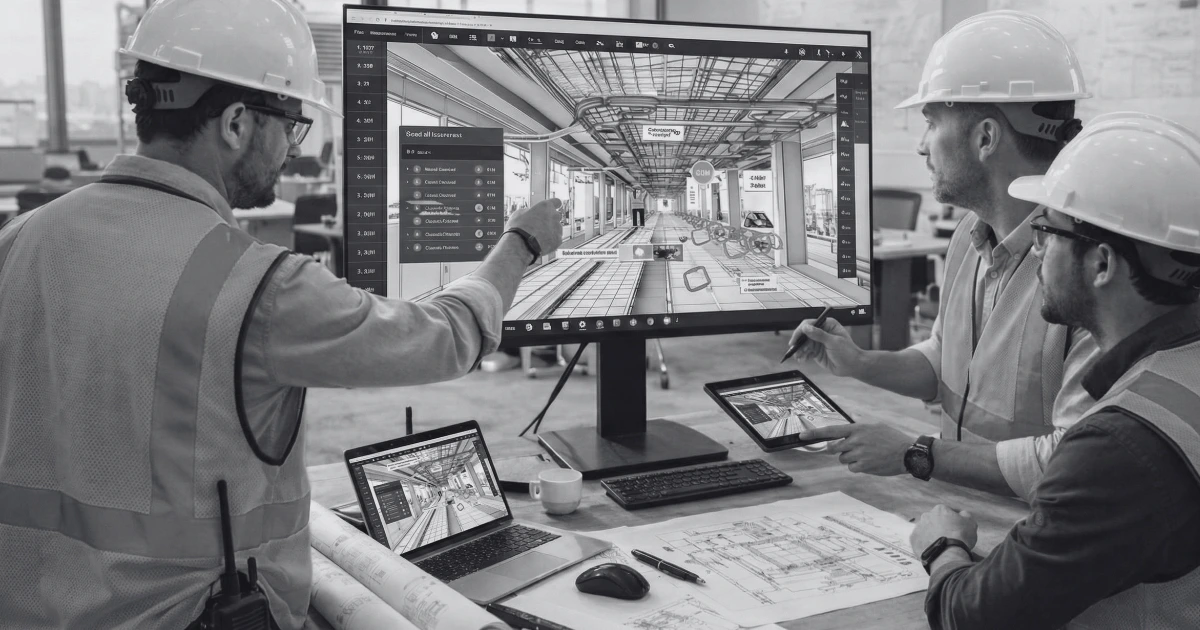
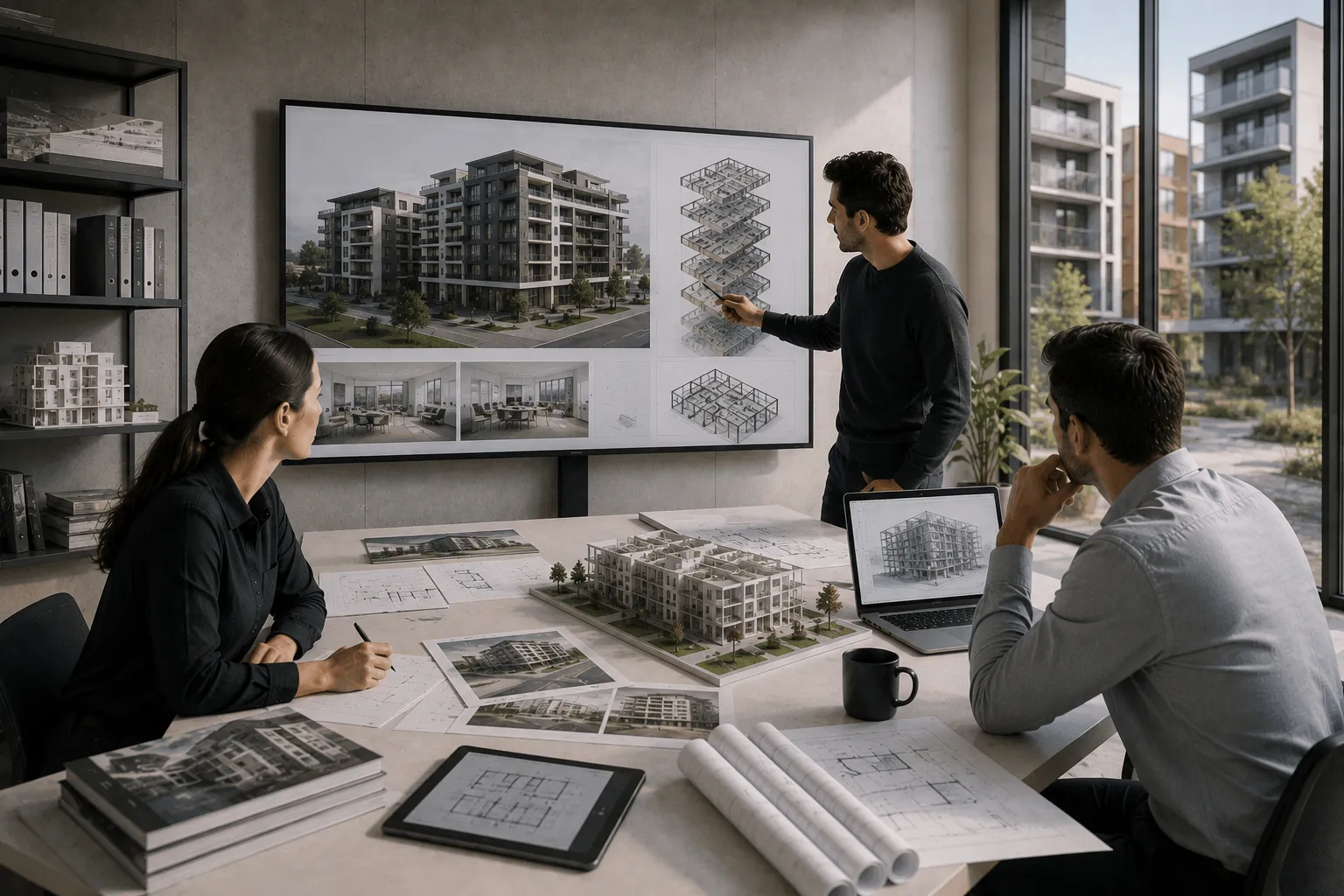
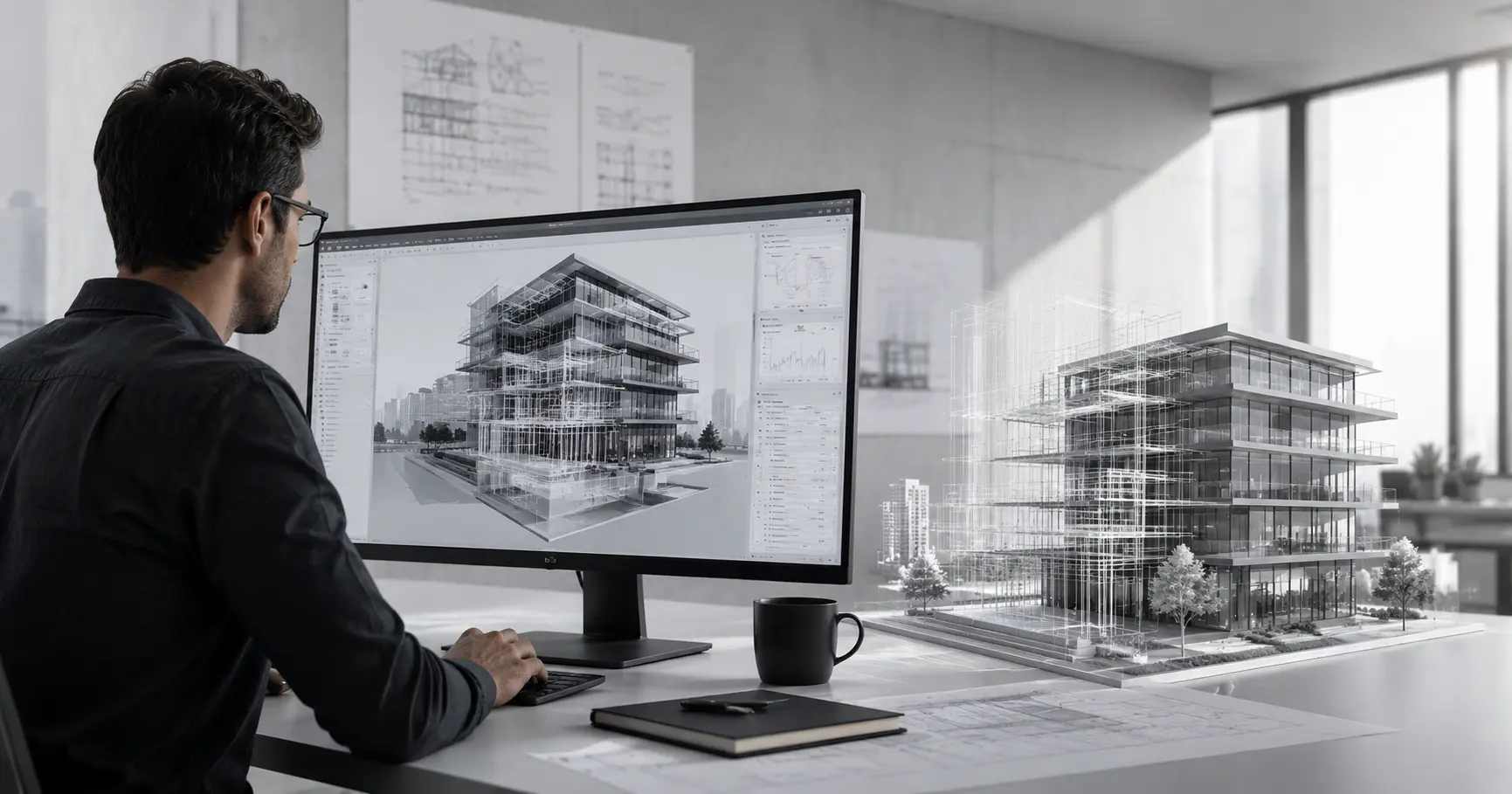
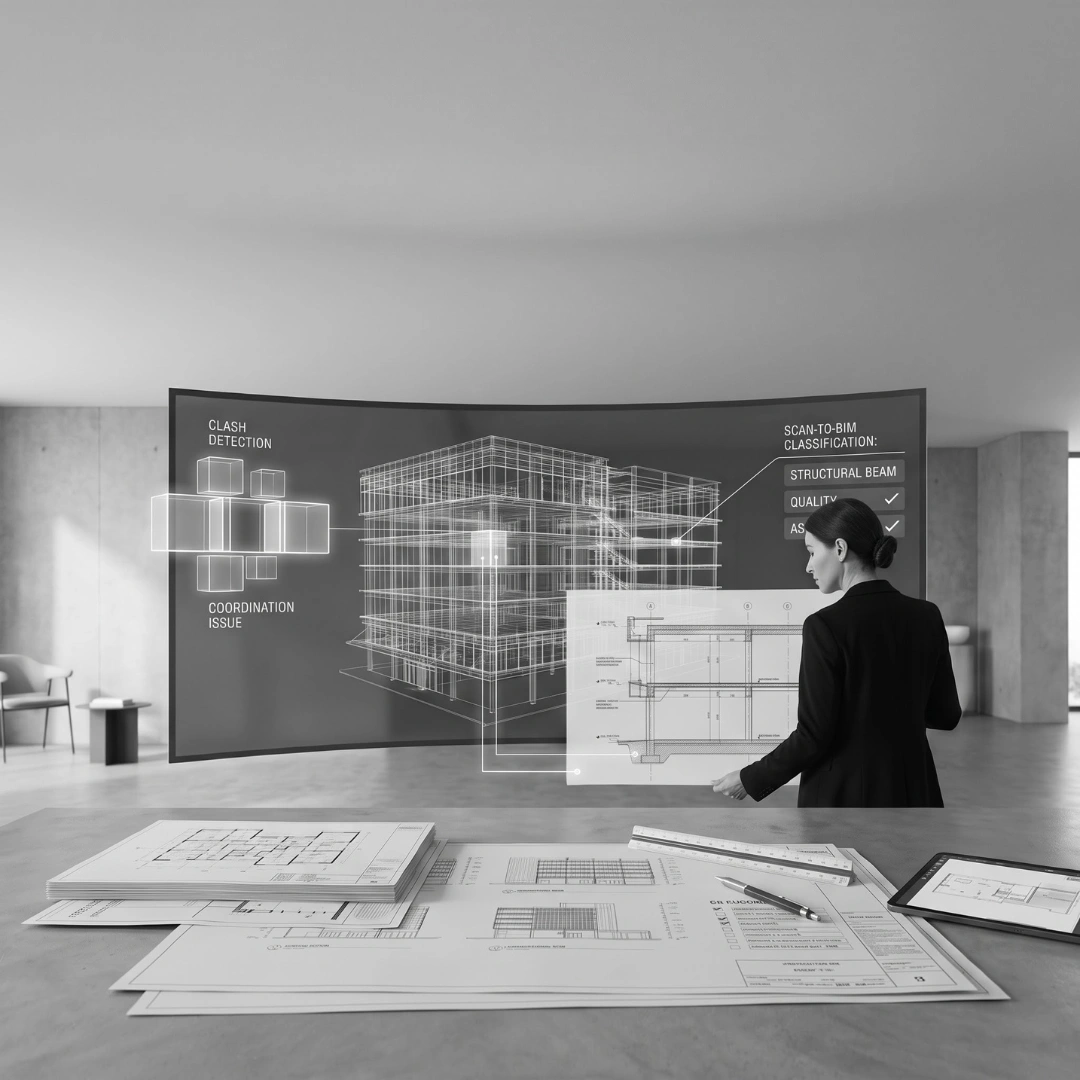
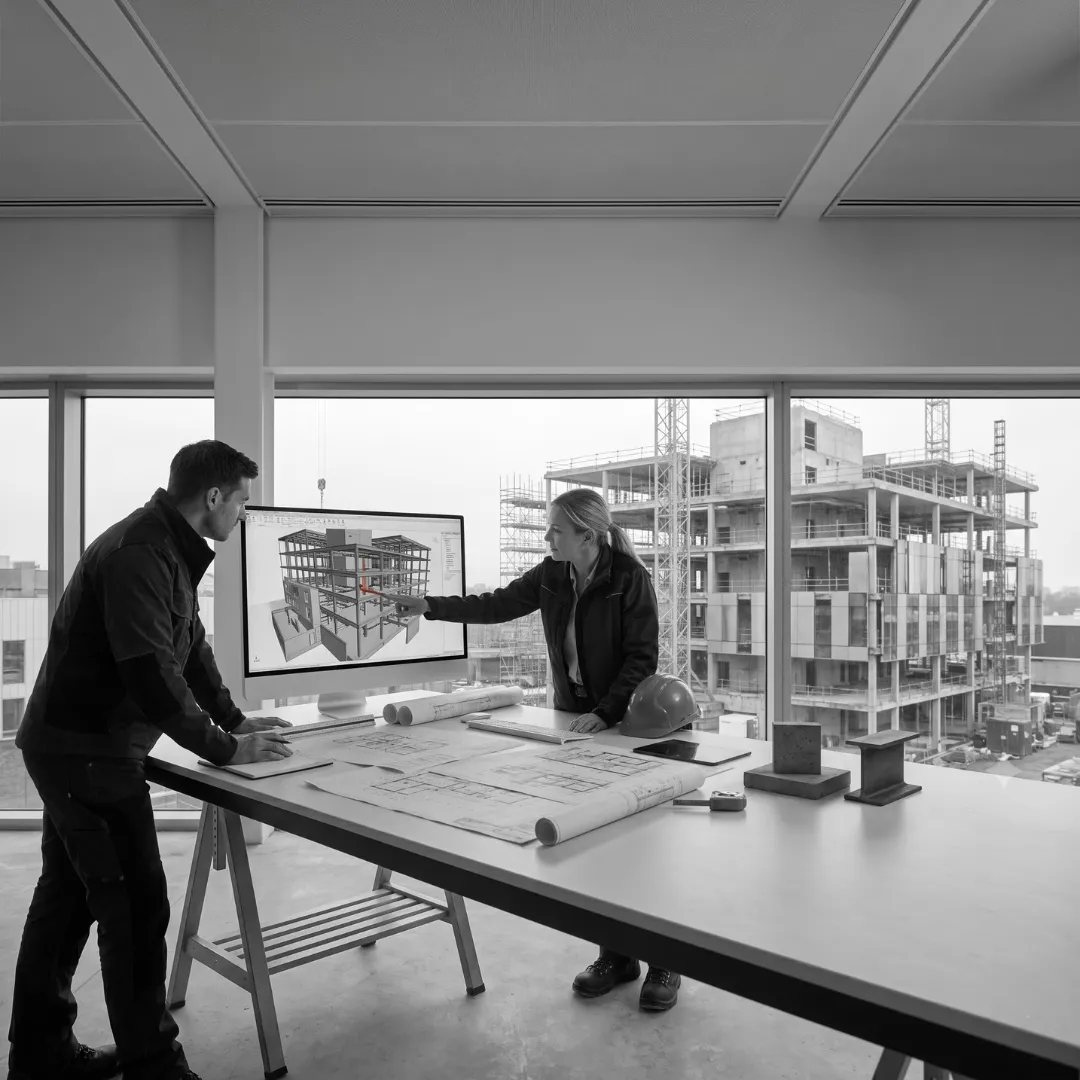
How BIM prevents it: Every building element exists in the coordinated 3D model. Automated clash detection identifies conflicts between disciplines on screen. A 30-minute design adjustment replaces a $25,000 site rework. Systematic coordination through Navisworks or similar platforms resolves conflicts before construction documentation release.
Typical savings: $200,000-$500,000 per project in prevented rework on mid-rise residential. Larger and more complex projects save substantially more.
2. Accurate Quantities Reduce Pricing Gaps
The problem: Builders price from documentation. When drawings lack detail, estimators make assumptions on material quantities, connection types, and construction methodology. Those assumptions create pricing gaps that surface as cost overruns during construction.
The cost: Quantity estimation errors on Australian projects typically range 5-15% of material costs. On a project with $8 million in materials and subcontract packages, that's $400,000-$1.2 million in pricing gaps discovered during procurement or construction.
How BIM prevents it: BIM models contain accurate geometry enabling automated quantity extraction. Concrete volumes, steel tonnages, facade areas, and fitout quantities extract directly from the coordinated model. Quantities match the coordinated design rather than estimator assumptions based on incomplete 2D drawings.
Typical savings: 3-8% improvement in quantity accuracy reducing procurement surprises by $200,000-$600,000 on a $15 million project.
3. Complete Details Minimise Variation Claims
The problem: Missing construction details force builders to interpret design intent. When interpretation proves wrong, or when the architect clarifies intent differently from the builder's assumption, variations follow. Every variation includes builder margin, delay costs, and administration overhead.
The cost: Australian construction projects average 150-300 RFIs (Requests for Information) on mid-rise residential. Each RFI costs $500-$2,000 in administration and response time. 20-30% of RFIs generate variations averaging $8,000-$15,000 each. Total RFI-related cost impact: $150,000-$400,000 per project.
How BIM prevents it: BIM documentation provides coordinated details extracted from the 3D model ensuring consistency between plans, sections, and details. When a section cuts through the model, the detail matches. When a specification references a junction, the detail exists. Comprehensive documentation reduces RFI generation by 40-55% compared to traditional 2D documentation.
Typical savings: $80,000-$200,000 per project through reduced RFIs and associated variations.
4. Coordinated Services Prevent Trade Conflicts
The problem: Hydraulic contractor installs pipework. Mechanical contractor arrives and discovers ductwork route blocked by pipes. Electrical contractor finds cable tray space taken by both. Each trade blames the others. The builder manages the conflict, absorbs the cost, and loses programme time.
The cost: Trade coordination failures on Australian projects generate $30,000-$80,000 per incident including standing time, rework, programme delay, and dispute resolution. Complex projects with multiple services trades experience 5-15 coordination failures during construction when documentation lacks services coordination.
How BIM prevents it: BIM coordination models overlay all services disciplines in 3D space. Hydraulic routes coordinate with mechanical ductwork, electrical cable trays, fire sprinkler mains, and structural elements before documentation release. Each trade receives drawings showing their work coordinated with every other trade. No surprises. No blame. No standing time.
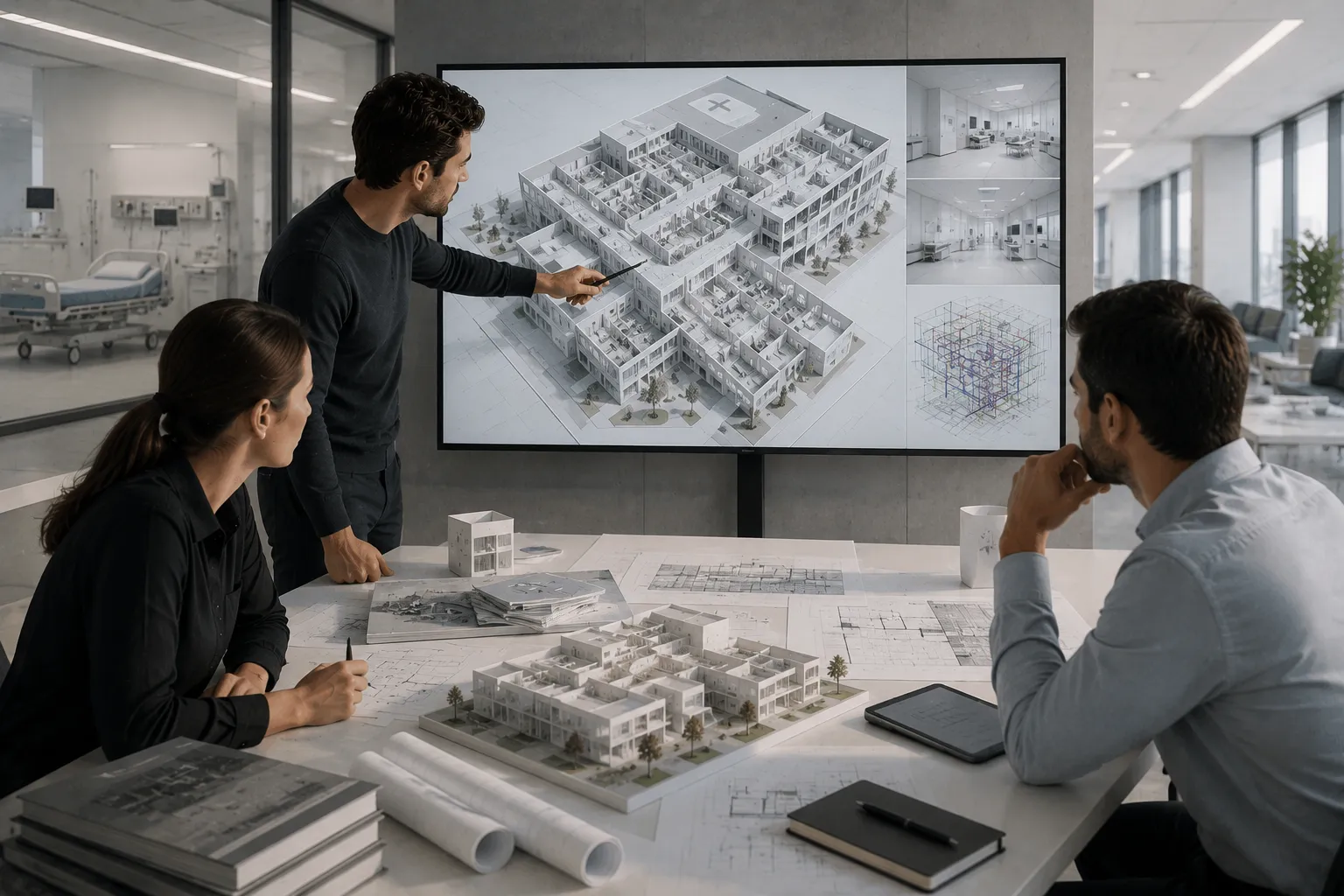
Typical savings: $150,000-$400,000 per project on complex multi-storey buildings with extensive services coordination. Projects with commercial kitchens, medical facilities, or data centres save substantially more.
Experiencing coordination issues between trades on site? Obelisk provides fully coordinated BIM documentation with clash detection resolving conflicts before construction starts.
5. Compliant Documentation Avoids Authority Delays
The problem: Construction Certificate or Building Permit applications rejected due to incomplete compliance documentation. BCA requirements not demonstrated. BASIX commitments not reflected in construction drawings. Fire separation details incomplete. Each rejection cycle delays construction start by 2-4 weeks.
The cost: Construction delay costs $8,000-$12,000 per day on a typical mid-rise project (crane hire, site establishment, supervision, financing costs). A 3-week CC delay costs $120,000-$250,000 in direct delay costs plus subcontractor programme disruption. NSW projects requiring BASIX compliance verification face additional delays when construction documents don't match BASIX certificate commitments.
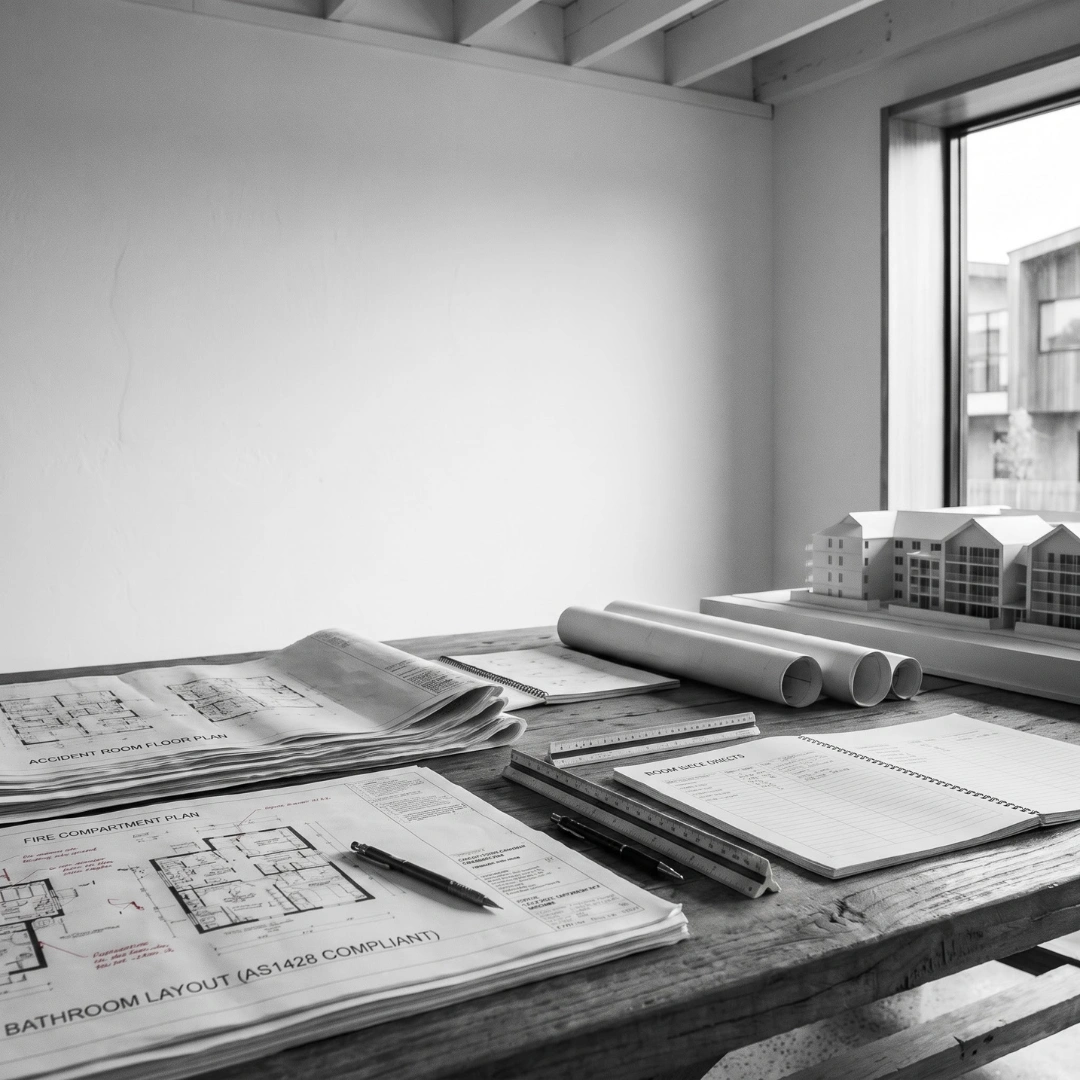
How BIM prevents it: BIM documentation systematically addresses BCA compliance per building classification. Fire separation assemblies documented with correct FRL ratings. BASIX commitments integrated with specifications (water fixtures matching committed flow rates, glazing matching thermal performance commitments, insulation matching R-value commitments). AS 1428.1 accessibility requirements coordinated with architectural design. Comprehensive compliance documentation reduces CC/Building Permit rejection probability from typical 15-20% to below 5%.
Typical savings: Preventing one authority delay per project saves $120,000-$250,000 in direct costs plus programme disruption.
6. Constructability Review Catches Design Failures Early
The problem: Design that works on paper but fails on site. Structural connections impossible to access for installation. Services running through spaces too small for installation. Ceiling voids inadequate for ductwork distribution. These constructability failures generate expensive redesign and site modifications.
The cost: Constructability failure discovered during construction costs 5-10 times more than the same issue caught during documentation. A ceiling void redesign on paper costs $2,000-$5,000. The same redesign on site (demolishing installed ceilings, rerouting services, reinstalling finishes) costs $20,000-$50,000 per affected area.
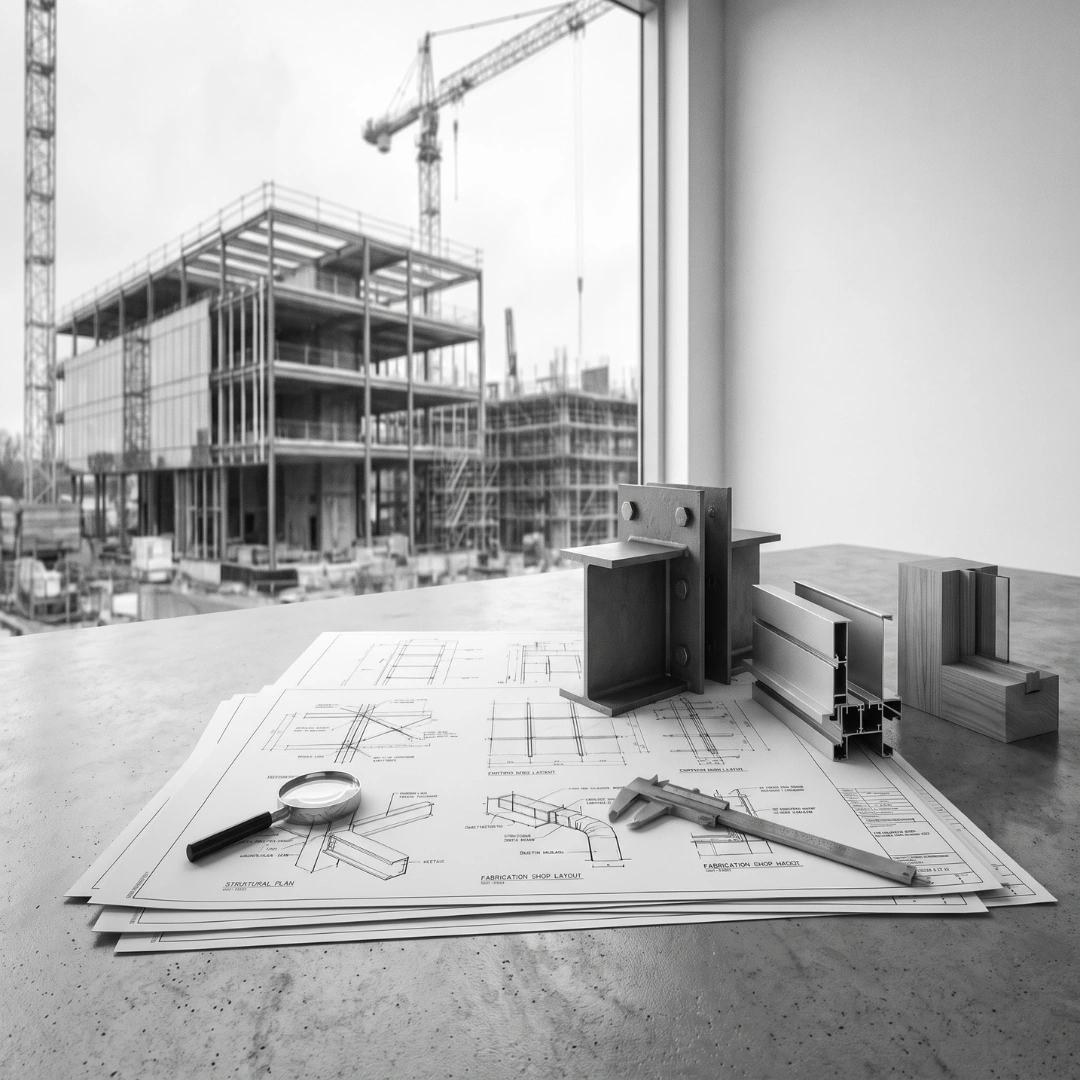
How BIM prevents it: 3D BIM models enable visual constructability review before documentation release. Walk through ceiling voids virtually to verify services fit. Check structural connection access. Verify installation sequences. Experienced builders reviewing coordinated BIM models identify constructability issues that 2D drawings conceal. Some builders now request BIM model access during tender for exactly this reason.
Typical savings: $50,000-$150,000 per project through early constructability issue identification.
7. Clear Scope Definition Reduces Provisional Sums
The problem: Incomplete documentation forces builders to include provisional sums (PS) and prime cost items (PC) in tenders. Every provisional sum represents risk for the builder and uncertainty for the client. When PS items resolve above allowance, budget overruns follow. When documentation is vague, builders inflate PS allowances to protect margin, making tenders less competitive.
The cost: Australian construction projects typically carry 8-15% of contract value in provisional sums when documentation is incomplete. On a $15 million contract, that's $1.2-$2.25 million in unresolved costs. PS adjustments during construction commonly generate 3-5% cost increase above original allowances.
How BIM prevents it: Comprehensive BIM documentation defines scope precisely. Material specifications, connection details, finish selections, and services requirements documented clearly reduce reliance on provisional sums. Builders can price accurately from coordinated documentation rather than carrying risk allowances for undefined scope.
Typical savings: Reducing provisional sums from 12% to 5% of contract value saves $1.05 million in budget uncertainty on a $15 million project. Even when PS items resolve favourably, the cost administration and variation processing consumes builder resources.
Cost Comparison: Building from BIM vs Basic Documentation
Side-by-side impact on a typical 8-storey, 60-apartment project in Sydney ($15M construction value):
Documentation-Related Costs with Basic 2D Documentation:
- On-site clash rework: $200,000-$400,000
- Quantity pricing gaps: $300,000-$600,000
- RFI-related variations: $150,000-$350,000
- Trade coordination failures: $100,000-$300,000
- Authority delays: $120,000-$250,000
- Constructability rework: $50,000-$150,000
- PS adjustments: $150,000-$400,000
- Total documentation-related cost impact: $1,070,000-$2,450,000
Documentation-Related Costs with Coordinated BIM:
- On-site clash rework: $20,000-$50,000 (residual)
- Quantity pricing gaps: $50,000-$100,000
- RFI-related variations: $40,000-$80,000
- Trade coordination failures: $15,000-$40,000
- Authority delays: $0-$30,000
- Constructability rework: $10,000-$30,000
- PS adjustments: $30,000-$80,000
- Total documentation-related cost impact: $165,000-$410,000
Difference: $700,000-$2,000,000 in reduced documentation-related costs.
BIM documentation costs $50,000-$85,000 more than basic 2D drawings. The return is $700,000-$2,000,000 in prevented cost blow-outs. That's $8-$24 returned for every additional dollar spent on documentation quality.
When Documentation Quality Matters Most
Not every project carries equal documentation risk. These project types benefit most from coordinated BIM documentation.
Complex multi-storey buildings. More levels means more vertical coordination. Services risers, structural continuity, and trade stacking multiply coordination complexity. Projects over 4 storeys generate significantly more coordination conflicts than low-rise work.
Mixed-use developments. Residential above commercial above retail creates multiple building classifications with different BCA requirements, fire separation between uses, acoustic isolation, and separate services. Documentation complexity doubles compared to single-use buildings.
Tight margin projects. When your contract margin is 5-6%, documentation-related variations consuming 3-4% of contract value eliminate your profit. Quality documentation is margin insurance.
Fast-track construction programmes. Compressed timelines eliminate buffer for resolving documentation issues on site. Every clash, every missing detail, every coordination failure hits the critical path directly. Fast-track demands documentation quality because there's no time to fix problems during construction.
What to Look for in Documentation Quality
Red flags (poor documentation):
- Services drawings not coordinated with structural drawings
- Details referenced but not included in drawing set
- Specifications contradicting drawn details
- No evidence of clash detection or coordination process
- Multiple versions of drawings with unclear currency
- Dimensions not matching between plans and sections
Green flags (quality documentation):
- Coordination clash report included showing conflicts resolved
- Consistent cross-references between drawings
- Services coordination drawings showing all disciplines together
- Specifications matching drawn details precisely
- Clear drawing register with version control
- BCA compliance documentation included with construction set
Questions for your documentation provider:
- "Has this been through clash detection? Can I see the report?"
- "Are the services coordinated across all trades?"
- "Does this documentation reflect current BASIX/BCA requirements?"
- "How many coordination conflicts were resolved before issue?"
FAQ: Construction Budget Overruns and Documentation
How much of a typical construction budget overrun comes from documentation issues?
Industry analysis consistently shows 30-40% of construction variations trace to documentation quality. On a project experiencing 10% cost overrun ($1.5 million on a $15 million build), $450,000-$600,000 typically relates to documentation-driven issues including uncoordinated services, missing details, specification ambiguity, and incomplete compliance documentation. The remainder comes from client changes, market cost movements, and unforeseen site conditions. Documentation quality is the largest controllable factor in budget overrun prevention.
Should builders request BIM model access during tender?
Increasingly, yes. Reviewing the coordinated BIM model during tender enables builders to verify coordination status, identify potential constructability issues, extract accurate quantities, and price with confidence rather than risk allowances. Some Australian builders now include BIM model access as a tender condition for projects over $10 million. If the design team resists providing model access, that itself reveals something about coordination confidence. Builders reviewing models during tender submit more competitive prices (less risk allowance needed) while better understanding project scope.
Is BIM documentation worth the additional cost on smaller projects?
For projects under $3-5 million construction value with simple single-discipline coordination (residential houses, small commercial fitouts), basic documentation may be adequate. The threshold where BIM documentation consistently pays for itself is projects with multi-discipline services coordination, multiple storeys, or construction value exceeding $5 million. At that scale, even one prevented coordination conflict ($15,000-$40,000) justifies the additional documentation investment. For complex projects above $10 million, BIM documentation is effectively mandatory for cost control.
Protect Your Margins with Quality Documentation
Budget blow-outs don't happen because construction is unpredictable. They happen because documentation left too much to discover on site. Every clash found on screen instead of on site saves $15,000-$40,000. Every complete detail eliminates an RFI and potential variation. Every coordinated services drawing prevents a trade conflict.
The maths is simple. Invest in documentation quality upfront. Protect your margin throughout construction.
Builder-Focused BIM Documentation Services
Obelisk delivers coordinated BIM documentation that Australian builders rely on for accurate pricing, smooth construction, and margin protection.
✓ Full Clash Detection: Every coordination conflict resolved before documentation release
✓ Accurate Quantities: Model-based quantities enabling confident pricing
✓ Complete Details: Comprehensive construction details minimising RFIs and variations
✓ Services Coordination: All trades coordinated in 3D eliminating on-site conflicts
✓ Compliance Documentation: BCA, BASIX, and Australian Standards systematically addressed
✓ Constructability Focus: Documentation designed for buildability, not just design intent
Documentation that protects your margin from the first pour to practical completion.
Discuss Your Next Project: team@obelisk.au
Coordinated BIM documentation. Fewer surprises. Protected margins.
TABLE OF CONTENTS











.png)
.png)
.webp)